
A future where every smallholder farmer has the knowledge, resources, technology, and opportunity to produce more food, protect the environment, and build a dignified livelihood.
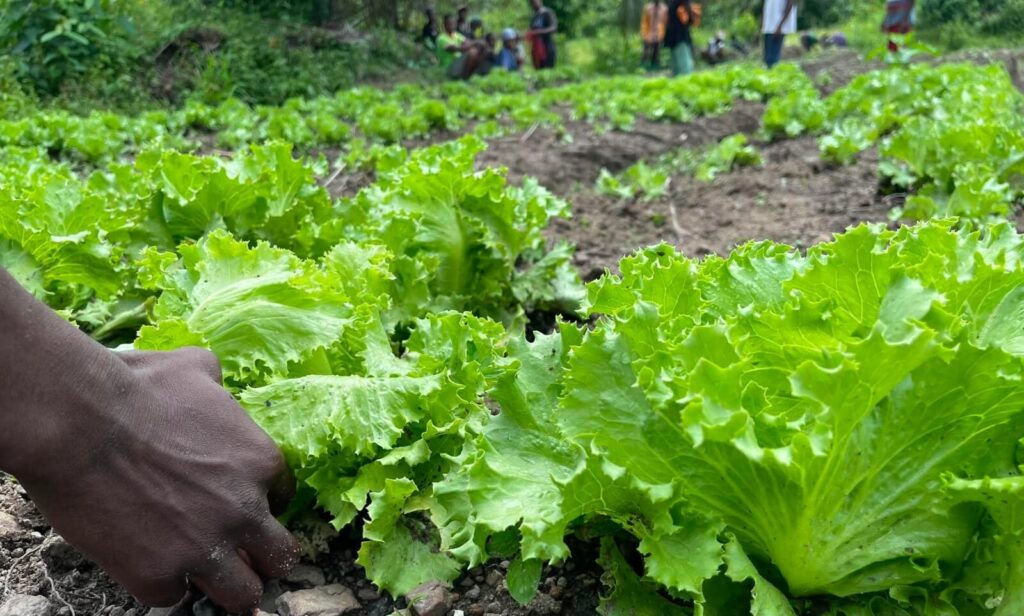
Agriculture is central to Liberia’s food security, rural livelihoods, and economic development. Yet many smallholder farmers, particularly rural women and young people, continue to face serious challenges. Limited access to agricultural training, modern farming technologies, affordable inputs, reliable water sources, and markets makes it difficult for them to increase production and earn a dependable income. The growing effects of climate change are making these challenges even more difficult.
Across rural Liberia, farmers depend heavily on rainfall to grow their crops. Changes in rainfall patterns, prolonged dry spells, excessive sunshine, and unpredictable weather can damage crops, reduce yields, and threaten household food supplies. In some communities, nearby streams and creeks become difficult to rely on during dry periods, while the distance required to fetch water makes regular irrigation physically demanding and time-consuming.For families who depend on farming to feed their children, pay school fees, and meet other basic needs, a poor harvest is more than an agricultural problem. It can mean food shortages, lost income, and greater economic hardship.
We believe that empowering smallholder farmers through agroecological farming is essential to improving food security, protecting the environment, and advancing human development in Liberia.
Why Agroecological Farming Matters
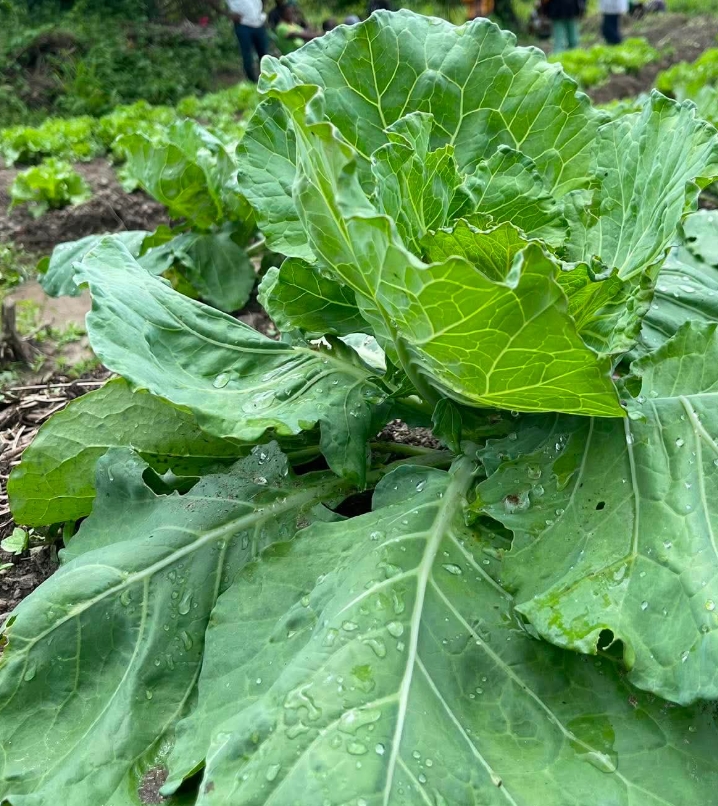
Food security is a global concern. Communities everywhere need reliable access to sufficient, safe, and nutritious food. Climate change, environmental degradation, rising production costs, and disruptions to food supply chains put additional pressure on food systems, particularly in countries where many households depend on small-scale agriculture. Liberia must address these challenges by investing in the people who produce much of the food consumed by their communities. Supporting smallholder farmers is not simply about increasing agricultural production. It is about strengthening rural economies, reducing vulnerability to climate shocks, improving household nutrition, and creating opportunities for women and young people.
YALL promotes agroecological farming as a practical approach to achieving these goals. Through training, demonstrations, and community-based learning, farmers can develop skills in organic farming, compost preparation, soil improvement, mulching, water conservation, crop diversification, natural pest management, and other environmentally responsible practices.These approaches can help farmers improve soil health, make better use of available resources, reduce reliance on costly external inputs, and build greater resilience to changing weather conditions. Results depend on local conditions and consistent application, but the long-term opportunity is clear: farming can support both human livelihoods and a healthier environment.
Bringing Innovation to the Hands of Farmers
YALL is working to make agroecological farming practical for the communities that need it most. We are exploring and introducing affordable, locally appropriate solutions that respond to the everyday challenges farmers face.
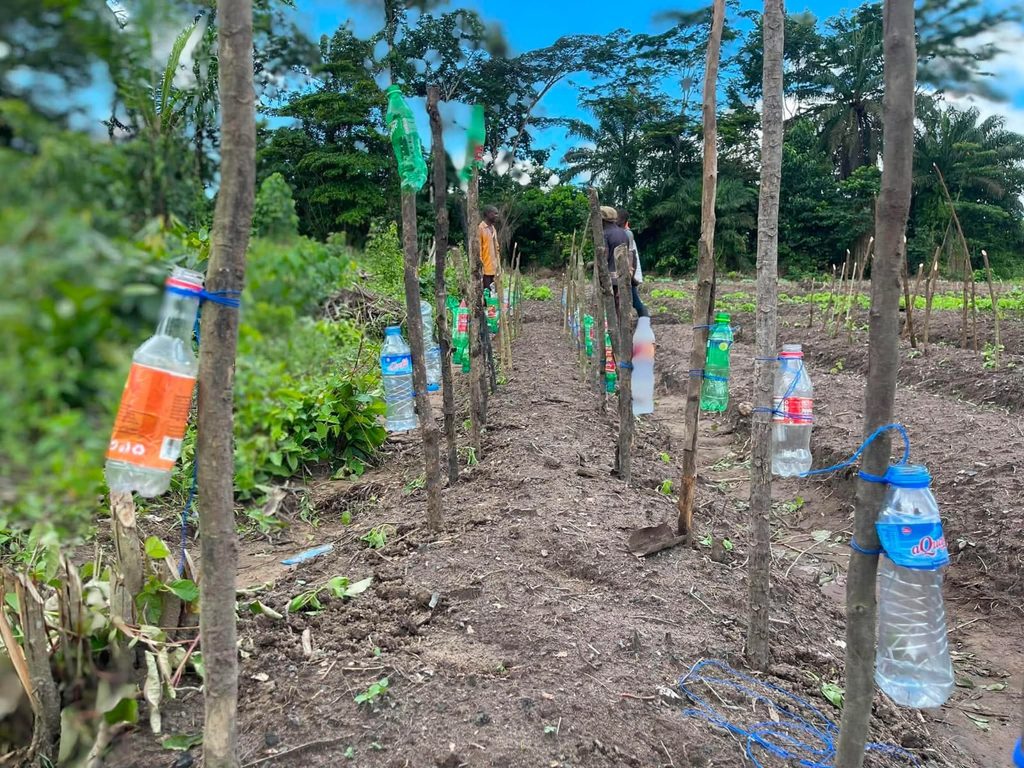
One immediate challenge is access to water. When rainfall becomes unpredictable and nearby water sources diminish, farmers struggle to keep their crops alive. Long journeys to collect water limit how much they can supply to their farms, while insufficient watering can weaken plants, reduce yields, and threaten an entire season’s work.
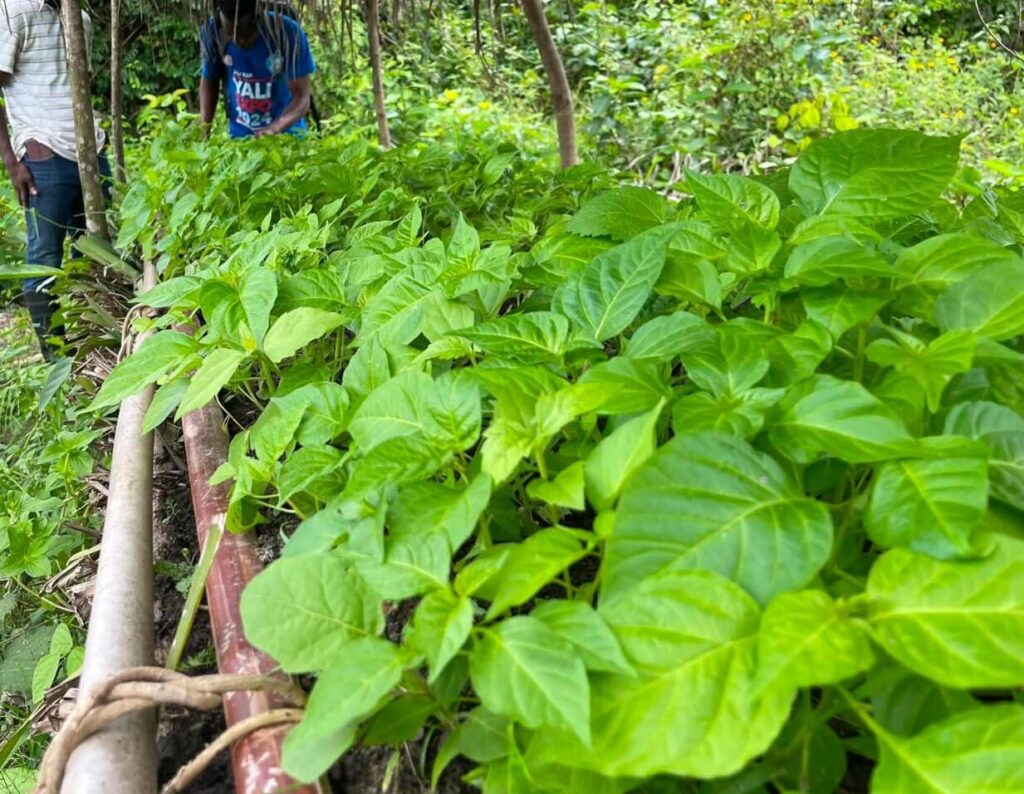
To respond to these challenges, farmers are using simple bottle-based drip irrigation methods to deliver small amounts of water directly to plants. This low-cost approach provides an interim solution, helping farmers conserve water and sustain crops while more reliable systems are pursued.
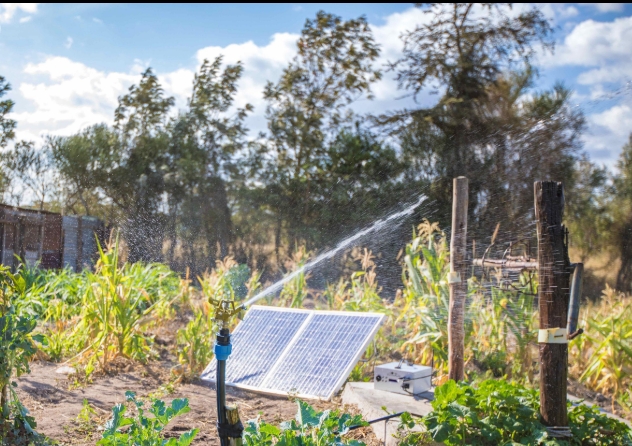
At the same time, YALL is working toward integrating solar-powered irrigation systems into community farming. Solar energy offers an opportunity to pump water with less dependence on fuel and conventional electricity, where local conditions and system design make it suitable. With appropriate water-source management, installation, and maintenance training, this technology could help farmers irrigate more consistently, improve production, and extend their growing opportunities. Our vision goes beyond installing equipment. We want farmers, especially women and young people, to understand how these systems work, maintain them, manage water responsibly, and apply the knowledge to their own farms. Technology should not simply be delivered to communities; it should become a resource that communities understand, manage, and sustain.
Women and Young People at the Center of Change
We believe innovation does not belong to a select few. Rural farmers can learn, adapt, and use new technologies when they have the opportunity, training, and support.
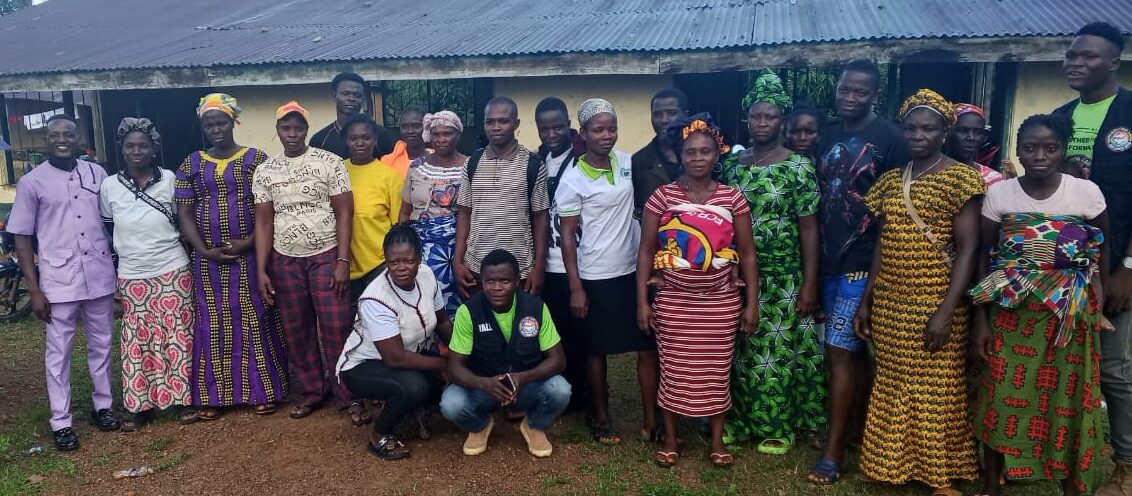
Women play a major role in food production, processing, household nutrition, and local food markets. Young people bring energy, creativity, and the potential to introduce new ideas into agriculture. Yet rural women and young farmers can face barriers to land access, finance, agricultural services, leadership opportunities, and participation in decisions that affect their livelihoods and environment.
We believe those who are directly affected by environmental and climate challenges must have a meaningful voice in shaping the solutions. Through our community-based work, we are demonstrating that smallholder farmers, particularly rural women and young people, deserve equal opportunities to learn, innovate, lead, and participate in environmental decision-making. Agroecological farming provides an opportunity to strengthen their practical skills while creating space for women’s leadership, youth participation, and collective action in the face of the climate crisis.
With support from Friends of Liberia, the Mortenson Family Foundation, and Urgent Action Fund-Africa, our work is contributing to a broader vision of communities where farmers are not treated merely as beneficiaries, but as leaders and partners in building sustainable food systems. This support helps advance the belief that environmental sustainability, food security, gender equality, and economic empowerment must go hand in hand.
From Demonstration Farms to Strong Farmer Cooperatives
Over the next five years, YALL aims to build on community-based agroecological farming and develop a stronger, more organized network of smallholder farmers in Liberia. We want to move beyond individual training activities toward a sustainable model in which farmers continue learning, producing, sharing knowledge, and improving their livelihoods together.
Our vision is to:
1. Expand practical agroecological training. Equip more smallholder farmers with skills in organic farming, composting, soil conservation, water management, crop diversification, and climate-resilient production.
2. Introduce appropriate agricultural technologies. Demonstrate solar-powered irrigation and other affordable innovations that can help farmers respond to water shortages, protect crops, and improve productivity.
3. Strengthen women’s leadership and youth participation. Create greater opportunities for rural women and young people to lead farming groups, participate in environmental decision-making, and influence the policies and practices affecting their communities.
4. Improve food security and household livelihoods. Help farming households increase the availability of food, reduce avoidable crop losses, diversify production, and pursue more dependable sources of income.
5. Establish and strengthen farmer cooperatives. Support farmers to organize into cooperatives where they can share knowledge and resources, coordinate production, improve access to agricultural inputs, explore collective marketing, and build stronger connections to buyers.
6. Build a sustainable community farming model. Develop practical demonstration sites and community-led approaches that can be adapted by other rural communities, supported by partnerships with government institutions, civil society organizations, donors, and agricultural experts.